

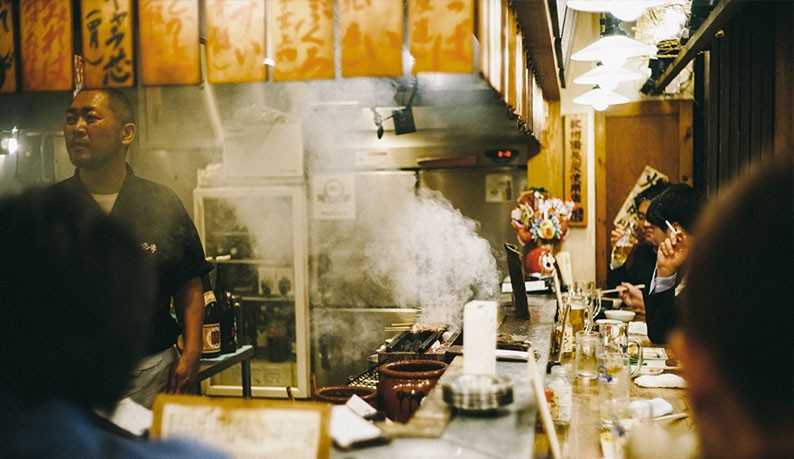
BBQ World Tour #2 – In 2020, Kokko becomes a globe-trotter and invites you on a “BBQ World Tour” to explore the history of grilling, smoking, and roasting across different cuisines. For our second stop, we’re heading to Japan. Put on your gloves, fire up the charcoal, and set up the grills: let’s get started!
The Tradition of Barbecue in Japan
Although the Japanese eat a lot of fish, they are also fond of meat—especially when it’s grilled on the barbecue, or more precisely, on the Yakiniku. This word, which literally means “grilled meat”, refers to the preferred cooking method in Japan, used for meat, fish, and vegetables alike.
The Ban on Eating Meat
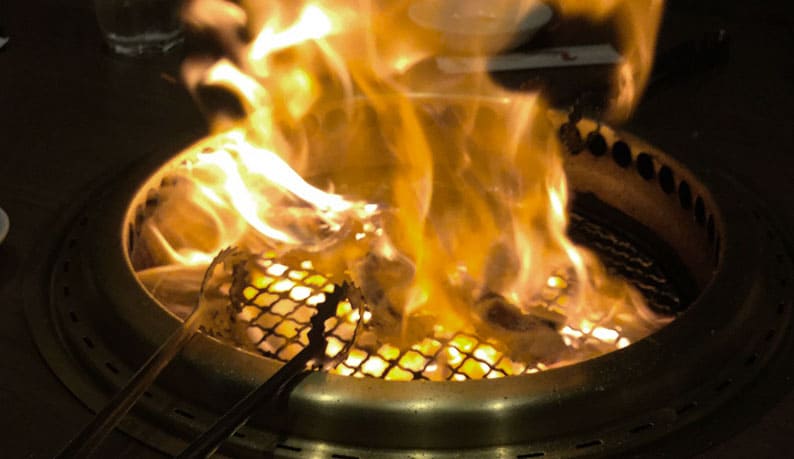
However, eating meat hasn’t always been allowed in Japan. When Buddhism became the official religion of the country, meat consumption became taboo—and remained so for a very long time, from the Middle Ages until the 19th century! It was only during the Meiji era that meat was reintroduced into Japanese cuisine, and beef consumption was legalized in 1871.
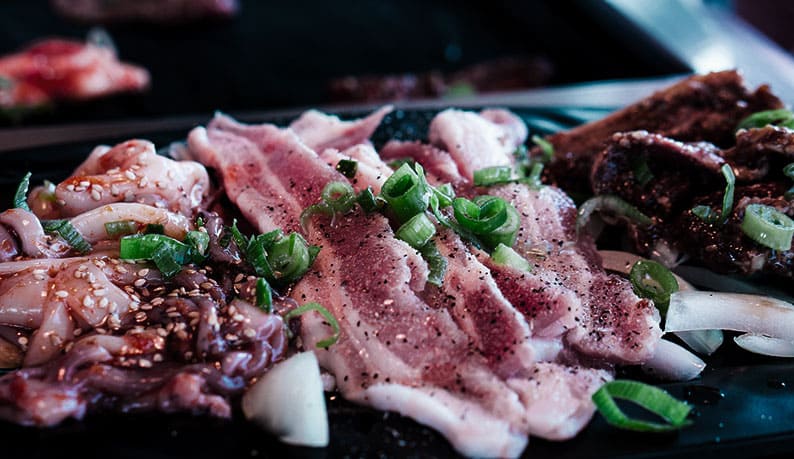
At that time, the term Yakiniku referred to barbecue inspired by Western cuisine. In his book Seiyo Ryoritsu (Manual of Western Cuisine), published in 1872, Kanagaki Robun described examples of Western menus. These included a cold meat dish for breakfast, Yakiniku for lunch, and for dinner.
Yakiniku: Korean or Japanese?
The origins of Japanese barbecue are debated. Some claim that Yakiniku originally refers to a Korean grilled meat dish, later reinterpreted by the Japanese. On the other hand, a 2002 program broadcast on NHK, Japan’s public television, explained that “while some believe Yakiniku comes from Korea, it was born in postwar Japan.” Others say that Yakiniku did indeed appear in Japan, but was invented by Zainichi Koreans—that is, Koreans living in Japan. Who’s right and who’s wrong? One thing is certain: Yakiniku became hugely popular in Japan after World War II.
Yakiniku in Japan Today
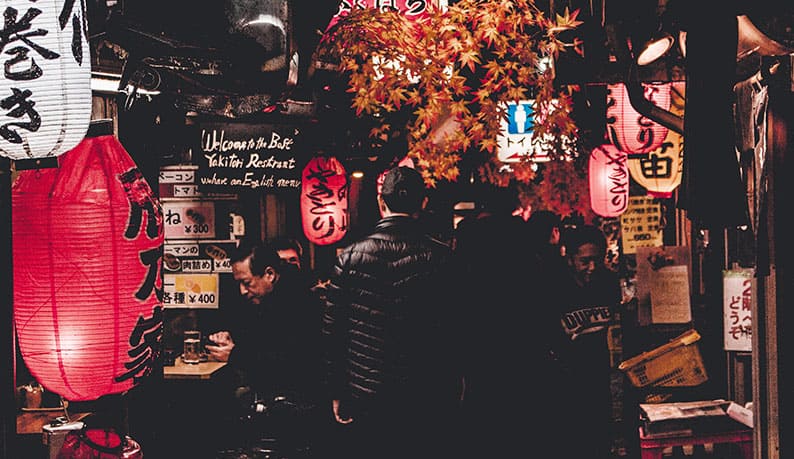
Today, Yakiniku refers not only to the dish—grilled meat, fish, or vegetables—but also to the cooking method and the grill itself.
Traditionally, the Yakiniku grill is placed over charcoal in the center of the table so that each guest can cook their own meat, brought raw and marinated, just the way they like it. But how do you avoid smoke when barbecuing indoors? In 1980, an innovative Japanese company found the answer by creating barbecues with a built-in ventilation system. In Japan, people gather around the Yakiniku both at home with family and in restaurants.
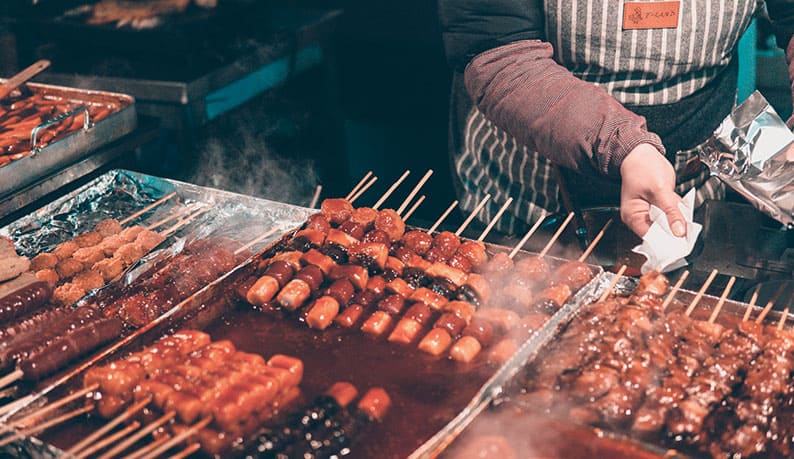
A warm and inviting way to gather around the fire, to enjoy delicious food and share a cozy moment. Host a winter evening around the BBQ—Yakiniku style!
What’s on the Menu at a Japanese BBQ?
Traditionally, the star meats for Yakiniku are beef and pork, but you’ll also find offal and chicken. The meat is sliced thin and marinated beforehand in a sauce called—what else?—Yakiniku sauce! This sauce is made from soy sauce, mirin (a sweet rice wine), various peppers, vinegar, onion, and garlic. Among the most prized cuts are shoulder, loin, short ribs, skirt steak, and beef tongue. For pork, belly and jowl are most common.
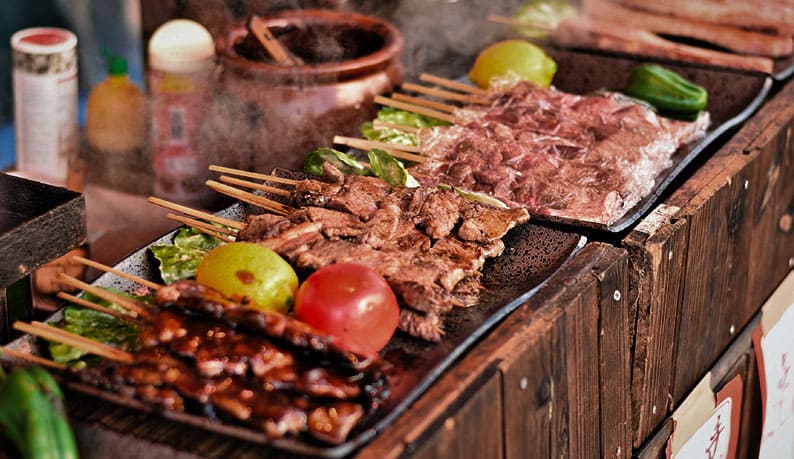
Once grilled, the meat, fish, or vegetables can be served with a sauce called “tare”. There are many varieties, most often based on miso and soy sauce, but they can also be made with sesame, sake, shallot, sugar, garlic, and more. These dishes are usually served with several “banchan”—side dishes. These include the classic bowl of rice, vegetables, and typical Korean recipes like “kimchi,” a salad of fermented vegetables with a tangy and spicy kick!
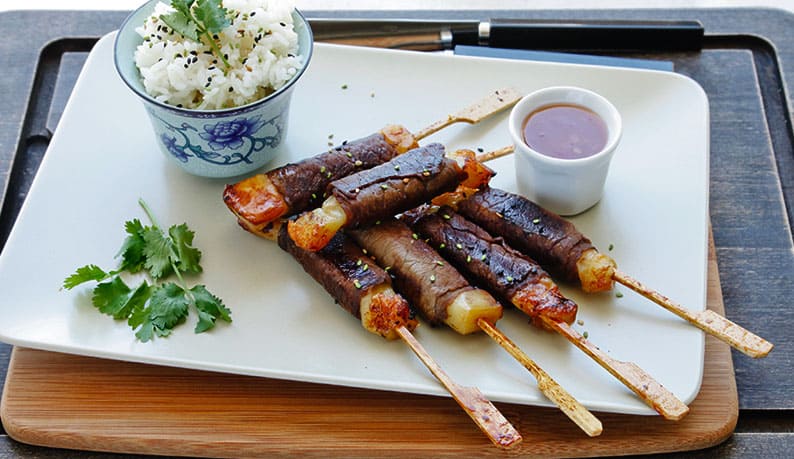
Alongside thinly sliced meats, skewers—yakitori,
Japanese-style tapas, are also grilled on the Yakiniku.
What’s the Best Equipment for a Perfect Yakiniku?
To surprise your guests and enjoy a warm, timeless moment around the barbecue, try one of our traditional Japanese recipes featured in the articles below.
For the equipment, here are a few essential ideas to transform your kamado into a Yakiniku grill:
Stainless steel cooking grate
Stainless steel grate extension
Half stainless steel cooking grate
Cast iron cooking plate for perfectly even grilling of meats and vegetables
Stainless steel tongs for turning your food
Leather gloves
Outdoor filament string lights for a magical, starlit atmosphere
Discover our reinvented yakitori recipes:
Rabbit skewers with honey and prunes
Pineapple spring rolls with orange sauce
Since 1993, August 29 has been declared the “official day of Yakiniku” in Japan, but we hope you won’t wait until the end of summer to grill your yakitori on your Kokko!


