

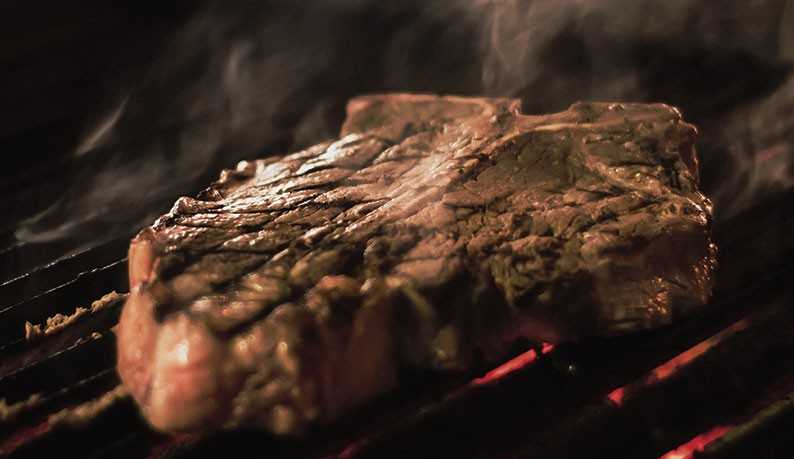
“Braaievleis”, the South African take on barbecue, comes from the Afrikaans words “braai” meaning “to grill” and “vleis”, meaning “meat”. Braaievleis literally means “grilled meat”. Over time, the term was shortened to simply “Braai”. Much like in the culture of the Mookata, Thai barbecue, the Braai is not just a way of cooking or a piece of equipment—it’s the meal itself, a moment to be shared with family or friends.
In your own garden, on the beach, in parks—barbecues are lit everywhere in South Africa! Above all, it is a social ritual, a time to share and connect. In this rainbow nation, where diverse cultures are the country’s greatest wealth, the Braai brings people together and forges bonds. The Braai is so popular in South Africa that it even has its own national day. Originally called “Heritage Day”, 24 September has become known as “Braai Day”. When invited to a barbecue in South Africa, it’s customary for each guest to bring drinks as well as meat.
Braai cooking is done exclusively with wood—no charcoal, no firelighters, nothing else. In South Africa, lighting the barbecue is a strictly male ritual. Women, on the other hand, are in charge of preparing the side dishes.
The Braai has nothing to envy from the American BBQ—quite the opposite. South African cuisine is a true reflection of this multicultural country: rich, flavourful, and full of surprises. It is, however, devoted to meat-based dishes. Chicken, lamb, pork—everything can be cooked on the Braai. Beef, especially thick and tender cuts like tournedos and rump steak, is a staple at every Braai.
If Braai is a national sport, there are as many marinade, sauce, and preparation recipes as there are “Braai masters”. Some simply season the meat with salt and pepper before grilling, while others prefer to marinate it. Among the must-try South African marinades, “Monkeygland” sauce is especially popular. Despite its name, there’s no monkey in this recipe—just garlic, ginger, soy sauce, ketchup, mustard, and onion. This chutney is either used as a marinade the night before the Braai or served as a sauce with the meat.
How to Host a Braai x Kokko?

Hosting a Braai x Kokko couldn’t be easier! Take out your Kamado Little, L or XL, set it up on its stand in the centre of your garden, at the heart of the gathering, and light some good, dry wood. For an extra touch of smoke, choose your wood type from the Kokko website: Wood chunks for hot smoking. Once the fire is ready, place your marinated meats on the kamado grill and let the magic happen: the aroma of the wood, the controlled heat, and the subtle smoke will enhance every bite. A moment of togetherness, authentic cooking, and unforgettable flavour.
Meats cooked on the Braai are usually served with vegetables, grilled or otherwise (you can use the stainless steel basket and stainless steel vegetable spatula available on kokko.net). Discover our ideas for summer barbecue sides.


