

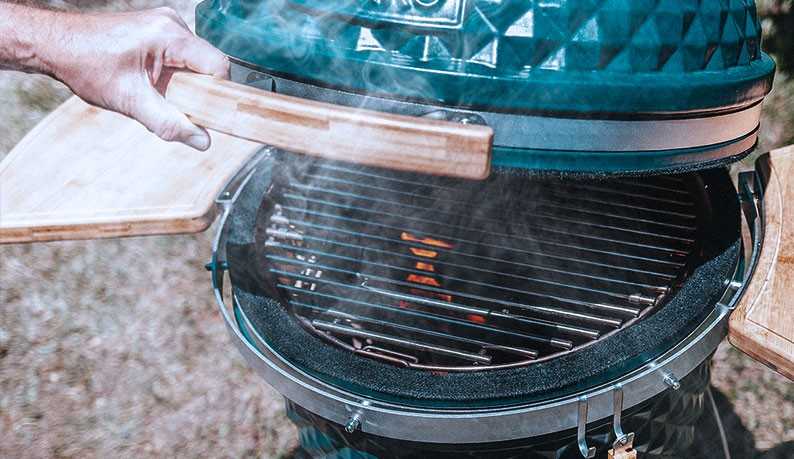
Looking to add a unique twist to your dishes? Nothing could be easier with a Kokko! How? By smoking your food! Here’s everything you need to know to become a true master of smoking on your kamado.
Originally, smoking was used to preserve highly perishable foods like meat and fish. Today, this technique—exposing food to smoke produced by burning wood, which you can vary to create different flavors—is all about infusing your dishes with new aromas. Whether you want to delicately scent vegetables with a quick smoke or slowly cook meat in the tradition of American BBQ, your Kokko lets you explore any recipe. Let your creativity run wild—your taste buds will thank you!
1- Lighting and Setting Up the Kokko
Smoking food on your Kokko is effortless! Simply start by placing a few crumpled sheets of newspaper at the bottom, directly on the black cast iron plate. Add some charcoal and firelighters if you wish. Light the newspaper and wait a minute before closing the dome of the Kokko. Then, open the chimney and the bottom vent to allow air to circulate and ignite the charcoal. After about 5 minutes, the charcoal should be glowing red and ready for smoking.
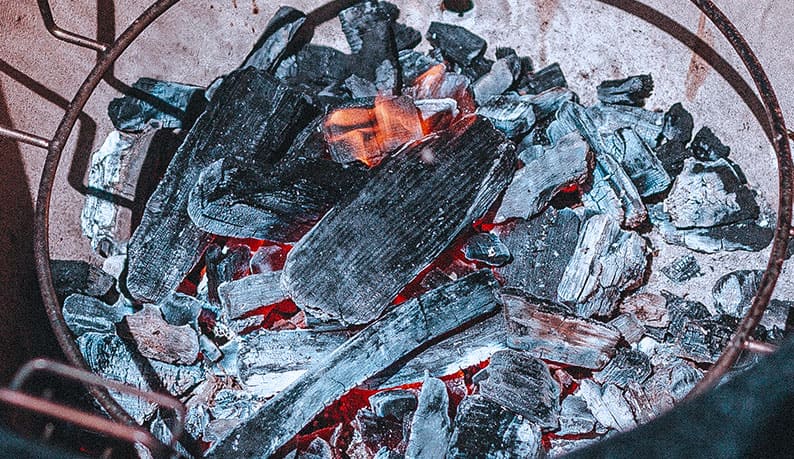
By adjusting the chimney and bottom vent, you control the airflow inside the Kokko. For smoking, keep the lid closed and the chimney almost shut to avoid over-igniting the charcoal. Only the bottom vent remains open. Adjust its opening based on your desired cooking time and temperature. The more air enters, the faster the charcoal burns. Before placing your food inside, let the charcoal cool to your target temperature, which you can check with the thermometer on the lid. Once the charcoal is ready, cover it with sawdust or wood chips, depending on the type of smoking you want.
2 - The Different Types of Smoking
You can smoke almost anything, but depending on the ingredient and the result you want, the time and method will vary. There are two main types of smoking, plus plenty of tips to play with flavors.
Cold Smoking
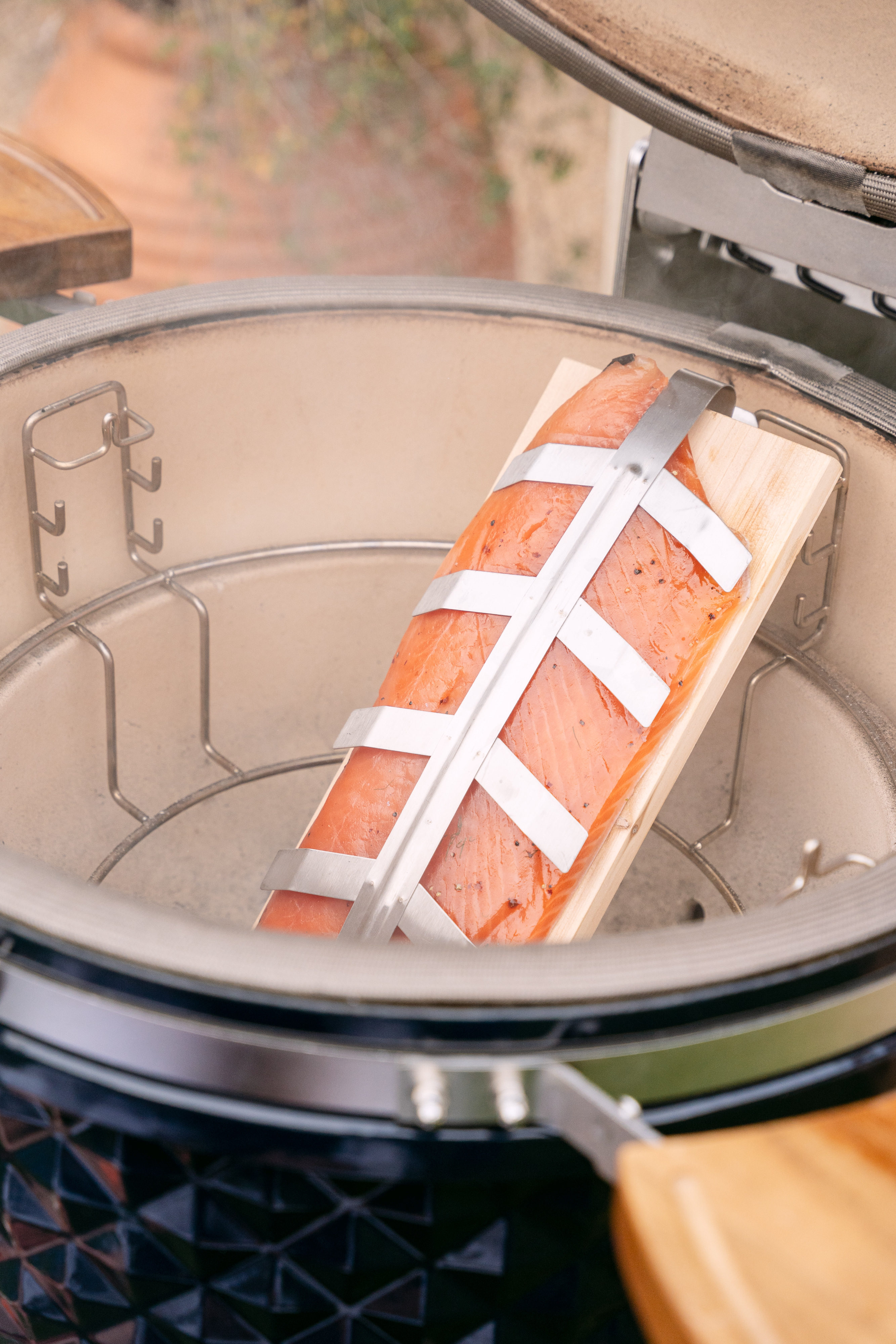
Cold smoking is commonly used for salmon or ham. The food is exposed to cold smoke, which doesn’t cook it. The temperature should be around 20° to 30°C maximum (25°C for salmon). For successful cold smoking, cover the charcoal with wood sawdust.
For this method, it’s essential to use only the freshest, highest-quality ingredients, as they won’t be cooked! Proper preparation is also key: salt (and spice, if you wish) your food to reduce moisture and help the smoky aromas penetrate. Be sure to pat everything dry before smoking. Depending on the delicacy and thickness of the product, salting time can range from 2 hours to overnight.
For fish, after salting, rub them with a little olive oil to prevent sticking to the grill or plate.
Cold smoking is mainly used for delicate foods.
Discover some of our cold-smoked recipes:
Smoked foie gras with Espelette pepper
Hot Smoking
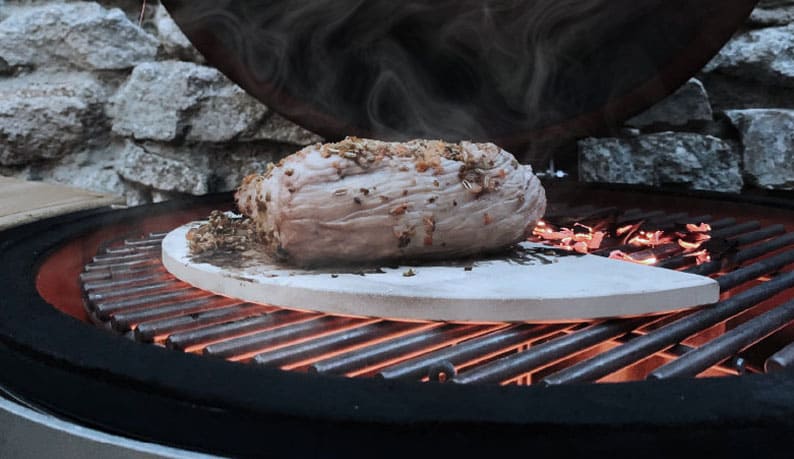
Hot smoking not only brings a unique flavor to your food, but also cooks it. This method is done at temperatures between 40°C and 100°C, depending on the cooking time and delicacy of the ingredients. For hot smoking, use wood chips, which withstand heat better than sawdust. For longer cooks, you may want to moisten the chips to slow down the charcoal’s combustion. Hot smoking allows for slow cooking, making meat tender and juicy. It’s the perfect method for American classics like pulled smoked pork or smoked pork belly.
Unlike salmon, trout is hot-smoked. Discover our original recipe for drunk trout smoked with applewood.
And for true smoking enthusiasts, you can even smoke fruit for surprising desserts, like our smoked fruit salad!
3 - The Different Types of Sawdust and Wood Chips
The type of wood you choose for your sawdust or chips is key—it’s what gives your food its signature smoky flavor.
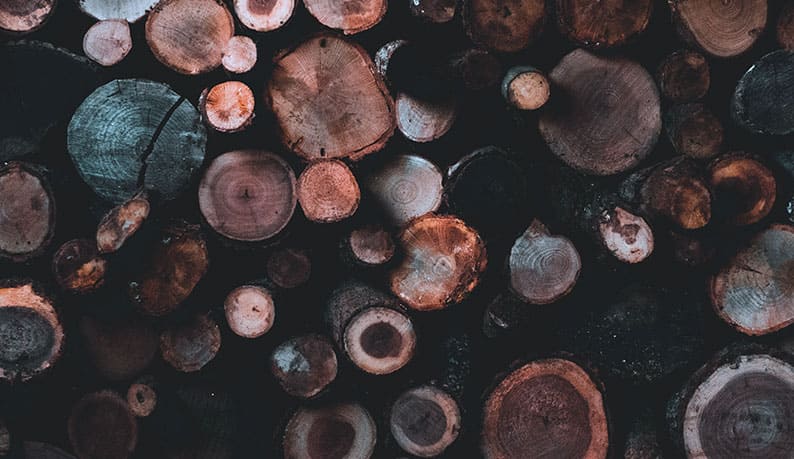
Which woods to choose?
First and foremost, your sawdust or wood chips must be 100% natural. Beech sawdust is most commonly used, especially for smoking salmon. For meat, oak sawdust is a great choice, while fir is ideal for hams and charcuterie. Cherry wood brings fruitier, sweeter notes for a different twist. Citrus woods like lemon or orange pair beautifully with poultry or fish. Avoid conifer sawdust, as it tends to be bitter.
There are no strict rules—the choice of sawdust and chips is all about your personal taste. You can even mix different woods! Depending on your smoking time and temperature, spread 3 to 5 cm of sawdust over the charcoal.
A word of caution: 100% natural sawdust or chips should come from relatively dry wood, as fresh wood with high moisture can be toxic when burned. Also avoid moldy, painted, varnished, or treated woods, which are hazardous to your health.
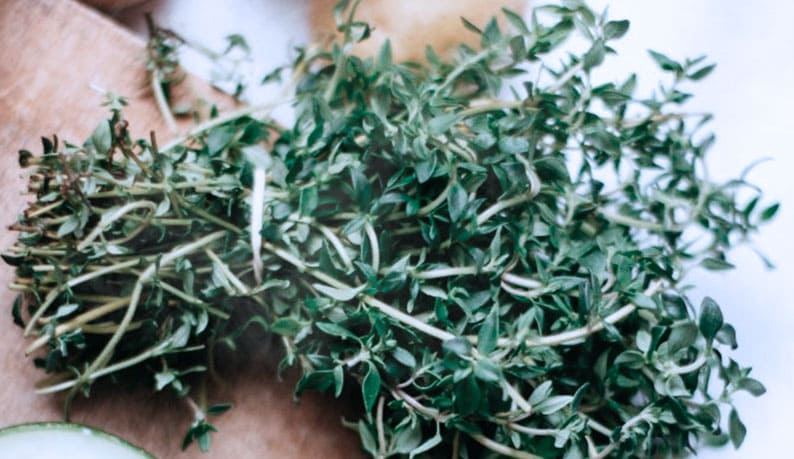
How to add flavor to your wood chips or sawdust?
Once you’ve chosen your wood, you can add extra aromas with aromatic herbs like thyme, rosemary, sage, bay leaf, and more... or spices such as pepper, cloves, juniper berries… even pine cones, as in this dish of flame-grilled eggplants smoked with pine cones, or fig leaves, as in this recipe for duck cooked in fig leaves with smoked figs.
Ready to smoke your entire pantry? Discover all our original smoked recipes for the Kokko for inspiration.
Find all our accessories for smoking with the Kokko right here: Smoking on the kamado


